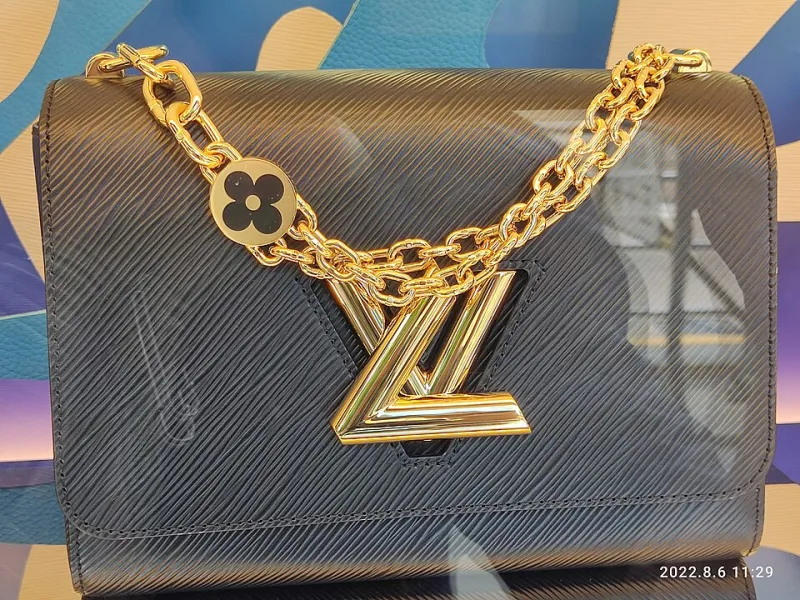
The Indigo Problem: What Dark Denim Actually Does to Louis Vuitton Canvas

Photo by Photo by Second Breakfast on Unsplash on Unsplash
Color transfer is the quietest way a Louis Vuitton bag starts looking older than it is. There is no dramatic scratch, no coffee spill, no airport conveyor scrape—just a blue-gray haze along the back panel or a shadow on the vachetta trim that seems to appear overnight. By mid-November, when dark jeans become the default uniform from New Jersey transit to a Friendsgiving in Chicago, that risk gets real fast.
This is not a repair-policy piece. It is a field test and a prevention plan. I wore a Monogram canvas bag against dark denim for a week, then ran a small controlled test with material swatches matched to common Louis Vuitton finishes. The goal was simple: figure out what actually transfers, what wipes away, and what deserves a professional the moment you notice it.
The test, minus the lab coat
I did not cut up a Speedy. Instead, I used representative swatches: coated Monogram canvas, coated Damier Ebene canvas, untreated vachetta, black grained calfskin, and a textured Epi-style leather. Each swatch spent eight hours pressed against one of three fabrics—new dark indigo jeans, black cotton leggings, and a navy wool coat—then sat for another 24 hours to see whether the color set in. I also added friction: 50 back-and-forth rubs with the fabric, because that is what a bag actually does against your hip when you walk six blocks and stand in line for coffee.
The results were not subtle.
What transferred, and what wiped clean
New dark denim was the clear troublemaker. On untreated vachetta, a blue-gray haze appeared within the first hour and deepened after friction. It did not fully lift with a dry cloth. That matches what most longtime owners already know: natural leather is porous, and indigo loves porous things. The coated canvas was more forgiving. A faint blue cast sat on the surface and along the raised texture of the Monogram pattern, but most of it came away with a barely damp microfiber cloth. Damier Ebene showed less visible color, though the edge stitching and leather trim picked up a slight tint. That is the sneaky part—the canvas can look fine while the trim does the aging.
Black leggings were less about dye and more about friction. They left a dull sheen on the grained leather swatch rather than a color stain, which is its own kind of wear. The navy wool coat transferred the least, but it still left a faint cool cast on vachetta after rubbing. Wool can crock, especially dark navy and black, so do not assume your coat is innocent just because it is not denim.
The textured Epi-style leather was the least vulnerable in this test, mostly because the grain gave the dye fewer flat places to grab. But light-colored Epi, patent leather, and Monogram Vernis are different stories. Patent and glossy finishes can absorb dye from denim and then refuse to let it go. Those are the finishes I would keep away from brand-new jeans entirely.
The vulnerability ranking
From most to least nerve-racking in everyday wear: untreated vachetta, light-colored leather trim, patent or Vernis, coated canvas edges and stitching, dark grained leather, and textured dark leather. Coated canvas is not stain-proof—it is stain-resistant. There is a difference, and the difference shows up in the corners and the stitching first.
If you carry a bag with vachetta handles and a dark denim jacket, you are running a small experiment every time you leave the house. That does not mean you cannot do it. It means you should not do it with jeans you bought last weekend and have not washed yet.
The prevention plan that actually works
Wash new dark jeans at least twice before you pair them with a light-colored bag. Turn them inside out, use cold water, and skip the fabric softener. You are trying to rinse out excess dye, not baby the denim. If you use a fabric protector spray on the jeans, patch-test it first and let it cure fully. Do not spray anything directly on the bag.
Change the contact point. A crossbody bag that bounces against your hip is a dye-transfer machine. A shoulder carry or a hand carry moves the friction to a different spot. If you love the crossbody life, rotate the bag to the other side occasionally and check the back panel every few wears. For totes, the bottom corners and the strap edges are the first places to inspect.
Do not store the bag against dark denim in the closet. It sounds obvious, but a bag tossed on a shelf next to a stack of jeans can pick up dye without any body heat or friction. Keep it in its dust bag, and keep the dust bag off dark fabrics.
Cleanup: the first ten minutes matter
If you see transfer, do not rub. Rubbing pushes dye deeper into leather and can dull coated canvas. Blot with a dry white tissue or a clean white cloth. For coated canvas, use a soft microfiber cloth barely dampened with distilled water, work gently over the area, and dry it immediately with a dry cloth. No alcohol, no acetone, no magic erasers, no household wipes with harsh cleaners.
For vachetta, stop after blotting. A damp cloth can spread the dye and leave a water mark. Conditioner will not lift indigo—it can seal it in. If the haze is still there after a dry blot, take it to a professional leather specialist. The same goes for patent and Vernis: do not experiment at home.
For leather trim, skip the DIY cleaner unless the brand specifically says otherwise. A conditioner is for dryness, not dye removal. If the trim has gone blue-gray, you want a pro, not a Pinterest remedy.
The bag is not fragile. But denim is a dye delivery system with a zipper. Treat the contact points like you would a white sofa near a toddler: check them, rotate them, and do not wait until the stain has had a weekend to settle in. Dark jeans and Louis Vuitton can coexist. They just need a little scheduling.